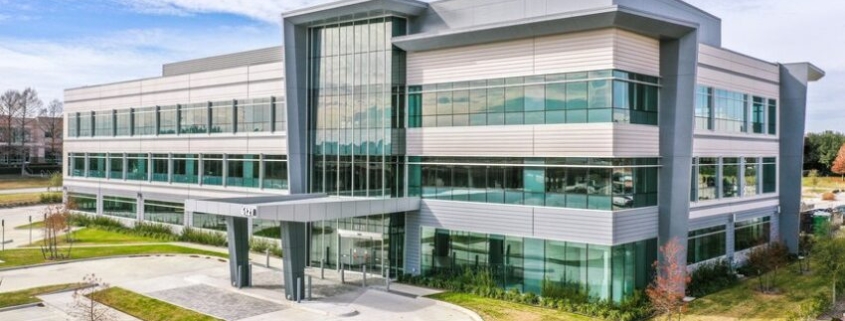

Remedy And MedProperties Form $350 Million Medical Office Building Joint Venture
Remedy Medical Properties and MedProperties Realty Advisors LLC formed a $350 million-plus joint venture to recapitalize an 11-state, 23-asset healthcare real estate portfolio totaling more than 1 million square feet owned by MedProperties.
Capital One provided senior debt for the transaction. Terms were not disclosed. The CBRE Healthcare & Life Sciences Capital Markets team marketed the portfolio.
The portfolio contains primarily medical office buildings as well as some post-acute facilities, including a rehabilitation hospital and ambulatory surgery center in Texas and rehabilitation hospital in Ohio. The properties are located in Texas (eight facilities), Florida (two), Pennsylvania (two), Ohio (two), Kentucky (two) and one each in Tennessee, New York, North Carolina and Missouri.
The properties are located in some of the country’s top metropolitan areas and strategic, secondary markets. The assets are 94 percent occupied and 71 percent leased by high-caliber investment-grade tenants, including leading hospitals and health systems. One of the properties in the portfolio is Founders Square, a 35,000-square-foot medical office building in Naples, Fla., developed in 2020 by MedProperties and Catalyst Healthcare Real Estate.
Investment-grade healthcare tenants include: Baylor Scott & White, Children’s Hospital of Los Angeles, CommonSpirit, Rady Children’s Hospital, U.S. Department of Veterans Affairs, University of Southern California, UF (University of Florida) Health and WVU (West Virginia University) Medicine.
Deal Details
Darryl Freling, managing principal of Dallas-based MedProperties, said in a prepared statement his company aggregated a large number of assets through the years through its various funds and investment partnerships. In fall 2020, the firm’s leadership decided to offer a portfolio of about a two dozen of those properties as a recapitalization investment opportunity rather than an outright sale. He said the offering was taken to market in early 2021 and Remedy emerged as the joint venture partner in summer 2021.
The joint venture enabled Chicago-based Remedy, the nation’s largest owner of medical properties, to acquire a majority interest in another high-quality portfolio that complements its own holdings. Remedy’s properties total more than 26 million square feet across 42 states.
Joe Magliochetti, chief investment officer for Remedy, said in prepared remarks the portfolio is a logical addition to Remedy’s holdings and complements his company’s existing assets in terms of geography and tenancy.
The two companies have transacted smaller deals in the past and Remedy has made previous recapitalization deals with other private equity HRE investors. But this was the first time Remedy had done a transaction of this size with a private equity firm that was also another operator and competitor.
Earlier MOB Deals
In May, Remedy paid $55.2 million for Andover Medical Center, a 69,992-square-foot medical office property in the Boston suburb of Andover, Mass., owned by EverWest Real Estate Investors. The deal nearly doubled Remedy’s metro Boston footprint.
A month earlier, Remedy teamed with Kayne Real Estate Advisors in a joint venture to acquire Gresham Station Medical Plaza, a four-building, 100,419-square-foot medical office campus in Gresham, Ore. The joint venture paid $30.9 million for the Class B asset, according to public records. CommercialEdge data stated the previous owner was Stockdale Capital Partners, which had owned the property since 2017.
In one of its recent deals, MedProperties Fund III acquired a 67,060-square-foot multi-tenant medical office building in Glendale, Calif. The six-story facility is located on the campus of CommonSpirit-affiliated Glendale Memorial Hospital.
Source: Commercial Property Executive