
Healthcare Tenants Face Scarce Outpatient Space And Rising Competition
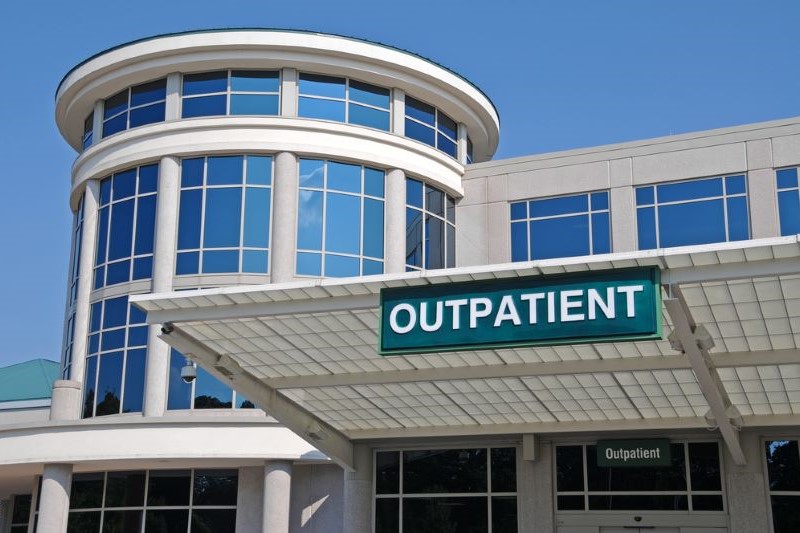
Healthcare providers seeking outpatient facilities are facing increasing challenges as available medical office space becomes more limited across the United States.
The shortage comes at a time when healthcare delivery continues to move away from traditional hospital settings and closer to patients in suburban communities.
According to a recent analysis by Josh Kurstin, Senior Vice President at Colliers in Nashville, securing high-quality medical office space in desirable locations has become significantly more difficult. Competition for these properties is growing as demand continues to outpace available inventory.
Kurstin noted that the balance of power in the market has shifted, with landlords gaining leverage as well-positioned medical office properties become increasingly scarce. While suburban areas around Nashville, including Brentwood and Franklin, are among the most constrained markets, similar conditions are emerging nationwide.
The trend is being fueled by a broader transformation in healthcare delivery. Providers are expanding outpatient services in rapidly growing suburban areas to improve patient access, but new development has failed to keep pace with rising demand.
Meanwhile, construction activity has slowed considerably. Medical office building starts declined 45% year over year as developers contend with higher financing costs, rising construction expenses, and complex regulatory hurdles. With fewer projects entering the pipeline, occupancy rates have climbed to their highest level in five years, further reducing available space.
Kurstin emphasized that the factors driving healthcare expansion into suburban markets are long-term and largely unaffected by economic fluctuations. An aging population, growing demand for specialized outpatient services, and continued migration to suburban communities are all contributing to sustained demand.
These conditions have created a widening gap between supply and demand. Unlike conventional office or retail properties, medical office buildings require specialized infrastructure, regulatory compliance, and customized buildouts, making them more expensive and time-consuming to develop. As a result, fewer new projects are being launched.
Data from PwC and the Urban Land Institute’s Emerging Trends in Real Estate 2026 Report indicate that the national medical office development pipeline has fallen to approximately 33.5 million square feet, approaching cyclical lows. Existing projects are being completed faster than new developments are breaking ground, contributing to the ongoing shortage.
In response, some healthcare organizations are exploring adaptive reuse opportunities by converting older retail centers, former pharmacies, and traditional office buildings into outpatient facilities. However, these conversions often require substantial investment to meet healthcare standards and are not always readily available.
As available space becomes increasingly limited, competition among healthcare providers is intensifying, particularly in fast-growing suburban corridors where multiple organizations are pursuing similar locations.
To remain competitive, Kurstin recommends that healthcare tenants begin their real estate planning much earlier—often 18 to 24 months before occupancy is needed. He also encourages providers to evaluate alternative site options and carefully assess whether renewing an existing lease may be more advantageous than relocating.
As suburban healthcare demand continues to expand, providers that act early and develop proactive real estate strategies will be best positioned to secure the locations they need in an increasingly constrained market.
Source: GlobeSt
For more information contact us:
954.346.8200 x 201