
Fully Leased Outpatient Properties Gain Favor In Nashville’s Growing Suburbs
Healthcare real estate investors continue to follow patients and providers into fast-growing suburban markets. A recent acquisition near Nashville demonstrates how fully leased outpatient properties can offer a compelling combination of durable demand, established medical tenants and proximity to expanding residential communities.
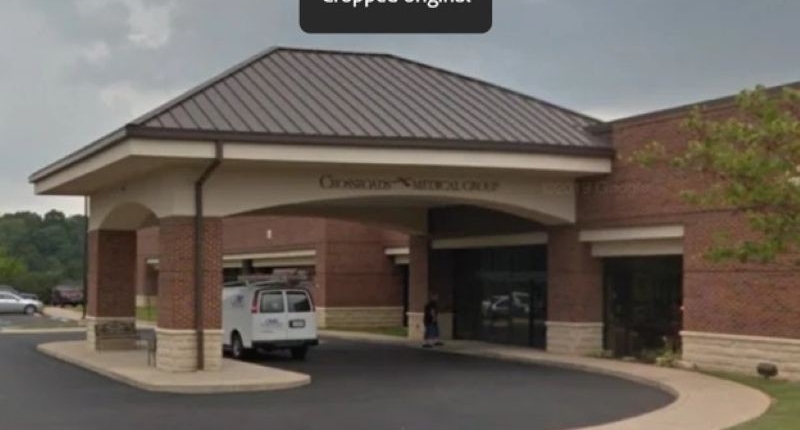
Onicx Healthcare Real Estate has acquired Crossroads Medical Pavilion, a 33,665-square-foot medical outpatient building in White House, Tennessee. Located approximately 25 miles north of downtown Nashville, the property represents Onicx’s first investment in Tennessee.
Completed in 2007, the single-story building was originally developed for Crossroads Medical Group, which now operates as Bookmark Medical. The primary and multispecialty practice occupies approximately half of the property and has remained there since the building opened. As part of the transaction, the practice extended its lease for another seven years.
The pavilion is fully leased to a mix of independent practices and healthcare organizations. Other occupants include Ascension Saint Thomas, TriStar Skyline, Access Dermatology Clinic, Star Physical Therapy and White House Pharmacy. This combination gives the property exposure to several medical specialties while also providing the stability associated with established regional and national healthcare systems.
Suburban Growth Supports Outpatient Demand
Crossroads Medical Pavilion reflects a broader change in where healthcare services are delivered. Providers are increasingly locating primary care, imaging, rehabilitation, dermatology and other outpatient services closer to the neighborhoods where their patients live.
For growing Nashville suburbs, conveniently located medical properties can become essential parts of the community’s infrastructure. Patients gain access to multiple services without traveling to a large hospital campus or downtown medical district, while providers can establish a presence near expanding residential populations.
These locations can also offer easier parking, simpler building access and greater visibility than dense urban settings. Such considerations are especially important for practices serving older adults, patients undergoing rehabilitation and people who require recurring appointments.
Established Tenants Reduce Investment Risk
Fully occupied outpatient buildings can be particularly attractive because they generate income immediately and carry less initial leasing risk than vacant or newly constructed properties.
Medical tenants also tend to invest heavily in their spaces. Examination rooms, specialized plumbing, enhanced electrical systems and diagnostic equipment can make relocation expensive and disruptive. When a facility already works well for a practice and remains convenient for its patients, the tenant often has a strong incentive to remain.
The anchor practice’s long operating history and lease extension therefore represent important elements of the Crossroads acquisition. The property has also received recent capital improvements, including a roof replacement and upgrades to its heating and cooling systems.
Community-Based Care Shapes Investment Strategy
The transaction is another indication that healthcare real estate investment is extending beyond major hospital campuses. Investors are increasingly evaluating outpatient buildings according to their accessibility, tenant mix, surrounding population growth and importance within a local healthcare network.
Properties anchored by longstanding physician groups may be especially well positioned. Independent and multispecialty practices can build substantial patient relationships within their communities, while health-system tenants may contribute additional financial strength and referral activity.
As the Nashville metropolitan area continues to expand, suburban outpatient facilities are likely to play a larger role in delivering care. For investors, established medical buildings in these communities offer an opportunity to benefit from that expansion without taking on the leasing and construction risks associated with a ground-up project.
The Crossroads Medical Pavilion acquisition is ultimately more than a single-property transaction. It illustrates how patient convenience, suburban growth and tenant retention are shaping the next generation of healthcare real estate investment.
For more information contact us:
954.346.8200 x 201