
Posts

Miami-Based Vitalis CEO On Medical Office Growth In Region, State

Jacksonville is an excellent target area for growth in the health care real estate sector, said the CEO of a firm specializing in medical office space that has just entered the market.

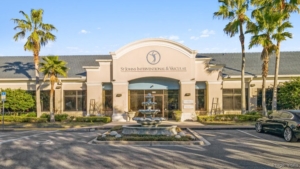
St. Johns Vein Center at 8767 Perimeter Park Blvd. (PHOTO CREDIT: VITALIS)

Miami-based real estate investment firm Vitalis bought the 10,647-square-foot St. John’s Interventional and Vascular Institute last month for $3.8 million. Located at 8767 Perimeter Park Blvd. near Tinseltown, the property is the home of St. Johns Vein Center, a vascular catheterization laboratory that is one of the few vascular testing facility in the region.

“Jacksonville’s positive demographic trends for health care and demand led to the deal — and that more might be on the way,” Vitalis founder and Managing Director Elliot LaBreche told the Business Journal. “It’s a higher acuity use, those tenants tend to stay and reinvest in their space. They don’t move around a ton.”

Vitalis, which has properties in 12 states, has done a variety of deals in the health-care-focused real estate space, including providing bridge loans to developers, sale-leasebacks and tenant representation.

Growth in the sector is driven by an aging population and changes in the way health care is provided, with services like surgery, imaging, gynecology or orthopedic care taking place outside of hospitals.

“You have insurance companies pushing health systems to deliver care in a more cost-effective way, and that’s not in a hospital. It’s really in these outpatient facilities,” LaBreche said. “There are a lot of growth drivers for these facilities to do really well.”

In the wake of the vein center acquisition, LaBreche said Vitalis has a letter of intent signed for another Jacksonville property, a surgery center.

“We’re just as interested in growing in the Northeast part of Florida because deals are a little more attractive from a buyer’s standpoint, but the fundamental drivers for healthcare are there,” LaBreche said.

Pivotal Healthcare Partners acquired St. Johns Vein Center in February. Given the property’s central location, size, and cutting-edge catheterization lab, Pivotal Healthcare Partners’ plans to designate St. Johns Vein Center as the hub all affiliated practices will refer their higher-acuity catheterization lab procedures toward, a press release said.


Source: JBJ

CenterWell Senior Primary Care Bringing Seven Personalized Primary Care Centers to Middle Tennessee

CenterWell Senior Primary Care is opening seven new senior-focused primary care centers in middle Tennessee throughout 2023, giving local seniors access to a personalized, care-team approach to healthcare.

The upcoming June 28 and 29 grand openings at CenterWell Tusculum and Murfreesboro, respectively, mark the first two senior primary care centers in the area. The grand openings are from 10 a.m. to 1 p.m., and will include tours of the centers, low-impact exercise demonstrations with SilverSneakers, live music from ReWind, games, and free treats from Alley on Main.

CenterWell Senior Primary Care is the largest and one of the fastest-growing senior-focused, value-based care providers in the country. Together with its sister brand Conviva Care Center, CenterWell Senior Primary Care delivers care to seniors in more than 250 centers across 12 states, with plans to open 30-50 new centers per year through 2025.

“I’m excited to lead CenterWell Senior Primary Care in the place I’ve called home for 24 years,” said Jason Spector, Market President for Tennessee. “Our board-certified physicians and integrated care teams are set to deliver comprehensive, holistic care in seven state-of-the-art facilities, with Murfreesboro and Tusculum already seeing patients and five more centers opening this year. Whole-person care means we’re committed to addressing all the factors that affect the health and well-being of our patients and this community. I’m looking forward to expanding that care to Middle Tennessee seniors and helping break down barriers to healthcare in our underserved communities.”

Dr. Anitha Mullangi, CenterWell’s Chief Medical Officer for the Tennessee market, emphasized CenterWell’s focus on whole-person health.

“It’s so important how you relate to patients, how you understand them, their culture, and their needs, and CenterWell’s care model allows doctors to do this,” Mullangi said. “Our longer appointment times, the integrated care teams looking after the physical, social and emotional needs – all of which affect seniors’ overall health – help patients live healthier, happier lives. We are committed to providing that kind of excellent healthcare to seniors in our communities.”

All new CenterWell Senior Primary Care locations in middle Tennessee will be staffed by board-certified physicians, nurses, social workers, and medical assistants, and patients will have access to clinical pharmacists, behavioral health specialists and referral specialists, all who have been specially trained to treat the senior population. In addition to its healthcare offerings, CenterWell facilities include activity centers for local seniors.

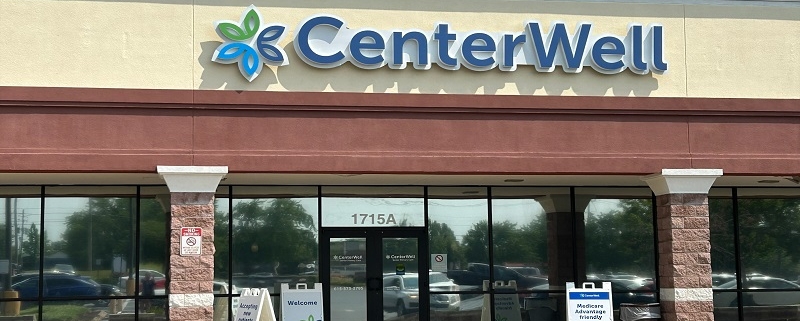
CenterWell Tusculum, located at 4901 Nolensville Pike in Nashville, and CenterWell Murfreesboro, located at 1715 S. Rutherford Blvd., Suite A in Murfreesboro, began accepting patients in April. Other centers with planned openings this year include Clarksville, Hermitage, Lebanon, Madison and Smyrna. Full details will be released at a later date.

The Primary Care Organization of Humana Inc. (NYSE: HUM), which includes CenterWell Senior Primary Care, serves nearly 266,000 members from many different Medicare Advantage health plans, as well as some patients who have Original Medicare.

For more information on CenterWell Senior Primary Care, please visit CenterWellPrimaryCare.com.

MOB’s Low Vacancies, Longer Leases Boost Investor Appeal

Vacancies? What vacancies? As medical offices go, the idea of unleased space is practically a foreign concept.

Thanks to an aging population that requires more care and the need for medical office visits when a patient is ill or has a chronic disease, medical offices remain in demand. As a result, in the first quarter of 2023, the national medical office vacancy rate was only 9.2% — just under half the 17.5% vacancy rate for traditional offices.

“From 2019 through the first quarter of 2023, vacancy in medical office properties has only risen 50 basis points nationally,” Marcus & Millichap reported in June.

The future outlook also seems healthy as the number of senior citizens increases and the amount of new medical office space being built remains limited. As of June, less than 12 million SF – or 1% of current inventory — was slated for 2023 delivery.

The report acknowledges, however, that availability depends on location-specific factors, such as resident demographics, existing local stock and metro-level construction pipelines.

Vacancy rates are especially low in warm weather markets which are experiencing an influx of retirees escaping cold-weather climates like Chicago or New York. The report cites a 190 basis-point drop in medical vacancy in the Dallas-Fort Worth area from 2019 to March 2023 “coinciding with a 17% surge in the metro’s age 65-plus cohort.” There was a similar pattern in other areas where the senior population grew more than 15%, such as West Palm Beach, San Antonio and Phoenix. Each saw vacancy falling by more than 200 basis points in the same period.

The strength of the medical office market is being bolstered by the entry of large retail chains such as Walmart Health. Walgreens has expanded into primary, specialty and urgent care following its $8.9 billion acquisition of Summit Health, while Amazon snapped up One Medical’s virtual, in-office and lab services. Other retailers entering the market could also boost demand for medical office space.

Post-Covid, medical office space has maintained an average sale price of just under $300 per SF. However, the report notes, dealmaking has slowed since the Fed began to raise interest rates. Uncertainty in the banking sector, which supplied over 75% of medical office financing in 2022, could also tighten lending.

On the other hand, medical office leases are generally signed for longer periods, reducing erratic swings, and healthcare is often non-discretionary. These factors, as well as telehealth and fewer labor challenges “could boost investor confidence in the long-term growth potential of the sector,” the report states.


Source: GlobeSt.