
As They Scour Acquisition Opportunities, Which Assets Are High-Net-Worth Investors Favoring?
As high-net-worth individuals (HNWI) and family offices survey the commercial real estate landscape, they’re seeing some peaks and some craters.
They assuredly lacked a roadmap for navigating a landscape marred by the coronavirus pandemic, though. However, HNWI and family offices are finding their way through this uncharted territory. And their compasses are pointing them toward commercial real estate investments that they believe are positioned for long-term growth.
In this climate, investors and advisers say, HNWI and family offices are steering toward acquisitions of medical assets, warehouses and multifamily properties.
“With real estate, my clients are willing to settle for lower short-term returns for stability. And the quality cash flow from real estate opportunities is attractive as a long-term investment for them,” says Mark Germain, managing director of Mercer Advisors Inc., a wealth management firm in Denver.
“In pursuit of stability and cash flow amid the current economic environment, HNWI and family offices are looking at recession-resistant asset classes,” says Charles “Chick” Atkins, principal of Atkins Cos., a real estate developer, investor and manager based in West Orange, N.J.
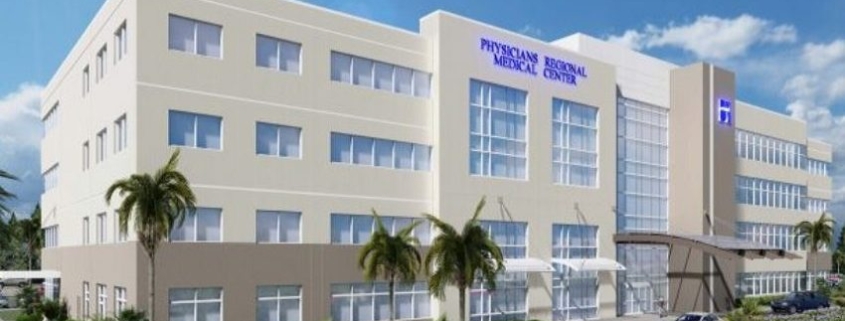
Atkins points to the medical office sector as a standout in this regard, thanks in part due to pandemic-spurred demand for health care services. This trend includes stand-alone offices, retail spaces, medical clinics and urgent care facilities, according to Atkins and others.
“Health care is essential, and people will still need to see doctors and other health care professionals no matter the economic conditions,” Atkins says. “While the use of telemedicine is on the rise, the aging population of baby boomers, coupled with the short supply of well-located, class-A medical offices, should help ensure a continued need for health care properties.”
Germain cites the warehouse sector as another one that’s attracting attention from HNWI and family offices. This includes supply chain warehouses (think Amazon) and refrigerated warehouses. In surveys by NAIOP, a commercial real estate group, 62.6 percent of commercial real estate and banking professionals reported acquisitions of industrial buildings in May, up from 57.3 percent in April.
During a May 28 call, Spencer Levy, chairman of Americas research at commercial real estate services company CBRE said “Although rental and vacancy rates for industrial properties will soften over the next year, the pandemic-fueled jump in e-commerce, the reshoring of manufacturing and the climb in business inventories bode well for long-term industrial demand.”
CBRE says a 5.0 percent increase in business inventories calls for an additional 400 million to 500 million sq. ft. of warehouse space.
“Industrial is not only going to perform better than any other asset class with the exception of multifamily, [but] we are actually more optimistic about industrial today than we were three months ago pre-COVID,” Levy said during the call.
Another sector drawing interest from HNWI and family offices is multifamily. NAIOP’s surveys indicate an uptick in multifamily acquisitions from April to May. CBRE data shows multifamily acquisitions totaled $38 billion in the first quarter, a year-over-year decline of just 1 percent.
In a June 1 report, CBRE said pandemic lockdowns and economic uncertainty lowered the multifamily turnover rate—the share of rented units not released each year—from 47.5 percent in 2019 to 42.1 percent in April. That’s the lowest turnover rate in over 20 years, according to the firm. This low turnover “is helping owners maintain occupancy and cash flows,” the report states.
An example of continuing faith in the multifamily sector: Greensboro, N.C.-based Bell Partners Inc., an apartment investor and manager, announced on June 3 that it had closed an apartment investment fund totaling $950 million. The fundraising goal was $800 million. The fund’s investors include accredited HNWIs.
The value-add Bell Apartment Fund VII empowers the company to spend more than $2.5 billion on apartments in its 14 target markets. The fund has already purchased three properties. Bell Partners has about 60,000 units under management.
“The fact that we were able to close Bell Apartment Fund VII above our target, despite the volatility caused by COVID-19, is a strong vote of confidence from our investors,” Jon Bell, CEO of Bell Partners, said in a news release.
Aside from industrial and multifamily properties, Cassidy senses an interest among HNWI and family offices in downtown office buildings in emerging markets.
“Whether they are core or value-add plays for investors, these spaces will be key components of these cities’ economic engines moving forward,” Cassidy says.
NAIOP’s surveys signal a dip in office acquisitions from April to May, primarily due to uncertainty over how the explosion in remote work will affect office demand.
Even though more employers are likely to switch fully or partly to remote work, MetLife Investment Management predicts the amount of occupied offices in the U.S. will reach 8.1 billion sq. ft. by 2030. That would represent an average annual growth rate of 1.4 percent from the 7.1 billion sq. ft. that’s occupied today. The historic average growth rate is 1.5 percent, MetLife noted in a May 14 report.
MetLife expects remote working trends arising from the pandemic will have “a relatively limited impact” on long-term demand for office space.
“Any stigma or fear that COVID-19 creates related to the office sector, especially as a growing number of firms announce real estate cost savings plans, could create investment opportunities,” MetLife says.
“HNWI and family offices also are watching hard-hit sectors like retail for potential bargains,” said Michael Finan, managing director of Chicago-based BMO Family Office LLC. “We are in a stressed period for real estate, but not distressed. There are many buyers on the sidelines with capital available, and new distressed property funds are being formed each day in anticipation of fire sale deals in the not-too-distant future. While distressed retail properties will certainly satisfy some investors’ appetite for deals, HNWI and family offices are also eyeing single-tenant net lease properties as sources of stable income. We recognize that brick-and-mortar retail is challenged, but not all consumers are satisfied with Amazon or Walmart.com.”
Source: NREI