
DFW Medical Office Market Begins To Regain Its Balance
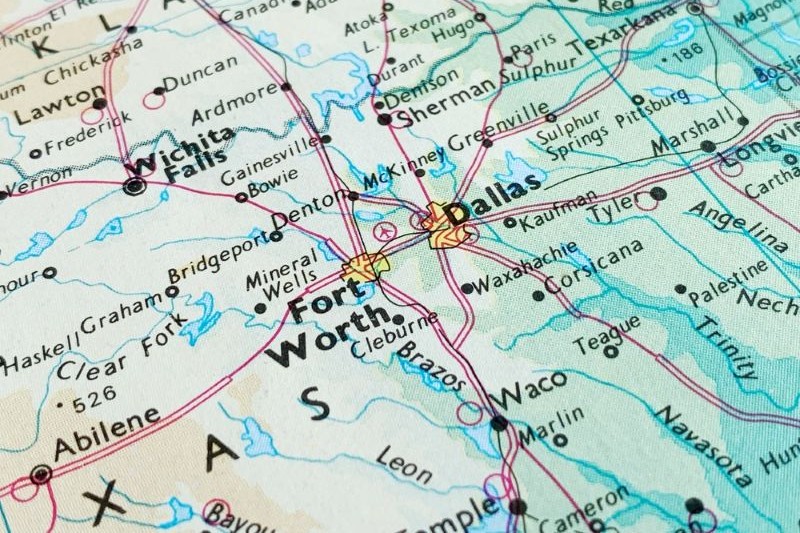
The Dallas-Fort Worth medical office market showed early signs of rebalancing during the first quarter of 2026, as healthcare providers absorbed more space than developers delivered. According to a market report from Matthews Real Estate Investment Services, the region recorded approximately 111,000 square feet of net absorption while adding only about 36,000 square feet of completed medical office space.
That difference helped bring the vacancy rate down to 11.4 percent after it approached 12 percent in late 2025. Although vacancies remain higher than in previous years, the first-quarter decline suggests demand is beginning to catch up with the construction completed during the recent development cycle.
The amount of medical office space under construction has also started to fall. The pipeline exceeded 1.2 million square feet during 2024 but had declined to approximately 989,000 square feet by the end of the first quarter. Fewer projects moving through construction could give existing properties more time to secure tenants without facing as much competition from newly delivered buildings.
Rent Growth Shifts Into a Slower Phase
Medical office rents remained near historically high levels, but the rate of increase moderated significantly. Average asking rents reached $33.77 per square foot, while annual rent growth slowed to 0.9 percent.
The leveling-off suggests landlords have less pricing power than they did during the market’s stronger expansion period. However, continued population growth and healthcare demand across the Dallas-Fort Worth region should help support well-located medical properties, particularly those positioned near expanding residential communities.
The metropolitan area now has approximately 8.48 million residents and more than 3 million households, according to demographic data cited in the report. Median household income stands at approximately $95,600.
Investors Remain Active but Selective
Medical office investment activity also continued during the quarter, with 88 sales recorded. The average cap rate was 6.4 percent, while the overall average sale price reached approximately $325 per square foot.
Higher-quality properties continued to attract investor attention, although buyers are applying more disciplined underwriting to potential acquisitions. Private investors and owner-users remain especially active, with capital concentrating on assets that offer reliable occupancy, desirable suburban locations and durable healthcare demand.
The latest figures indicate that DFW’s medical office market has not fully worked through its recent supply increase. Still, improving absorption and a smaller construction pipeline provide a more favorable foundation for continued stabilization.
For more information contact us:
954.346.8200 x 201