
Changing Investment Landscape Opens Doors In Medical Office Real Estate
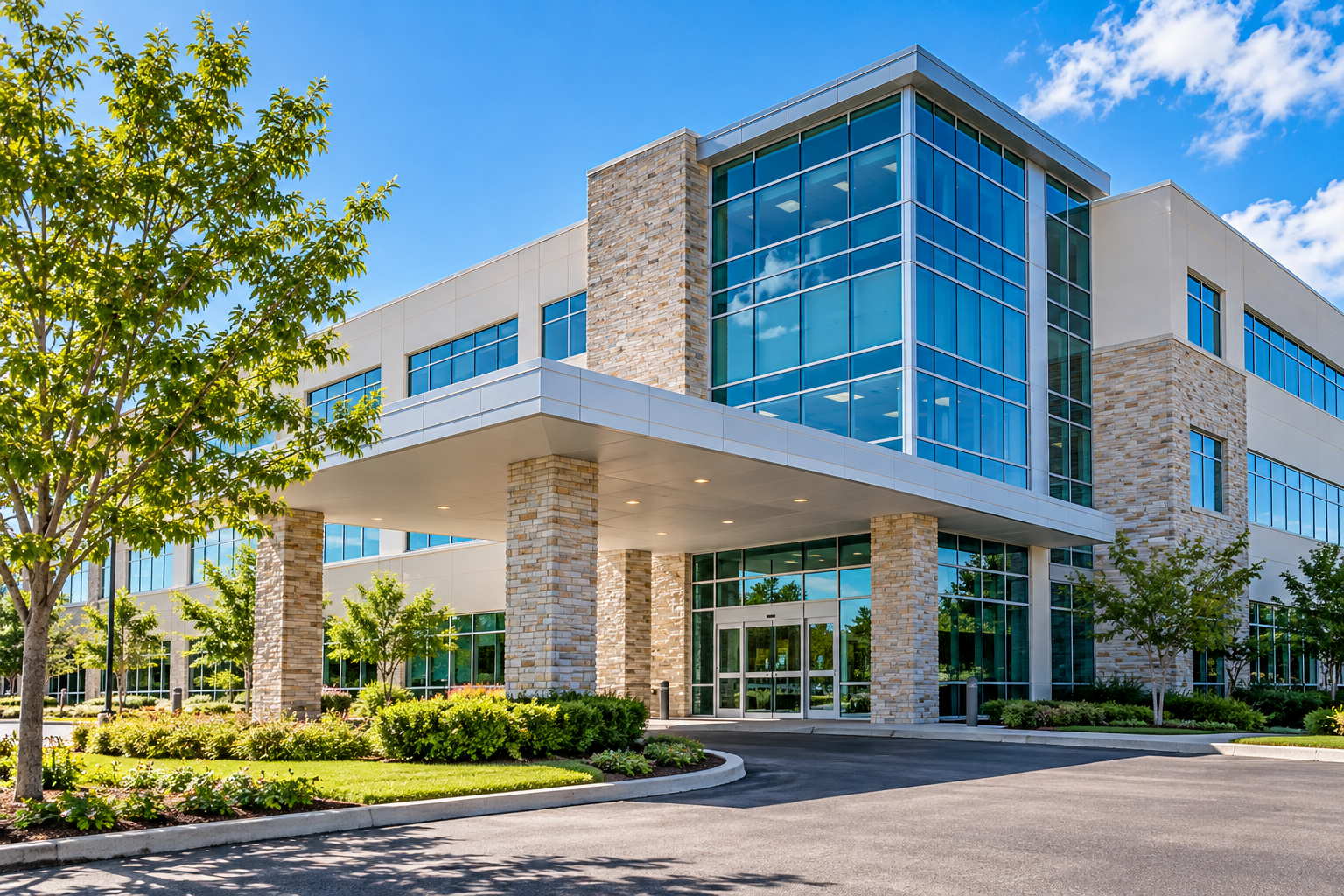
Healthcare real estate investment trusts, including Welltower, Ventas, Healthpeak and American Healthcare REIT, are increasingly directing capital toward senior housing, creating opportunities for private equity firms and institutional investors to expand their medical office portfolios. The shift is reshaping investment activity across the U.S. healthcare real estate market, as major REITs adjust their holdings to capitalize on senior living demand while alternative capital sources pursue outpatient medical properties.
Welltower illustrates the scale of the transition. In 2025, the company announced the sale of approximately 18 million square feet of medical office space in a $6 billion transaction as part of its broader strategy to increase senior housing exposure. Through August 2026, Welltower had closed or placed under contract approximately $15.5 billion in new senior housing investments, with another $6 billion in its pipeline.
Ventas has also accelerated its senior living investments, increasing its planned spending to approximately $4.5 billion for 2026.
The growing emphasis on senior housing reflects improving fundamentals in the sector. Nationwide senior housing occupancy reached approximately 90% in August, supported by demographic trends and limited new construction. Those conditions have attracted substantial institutional capital from investors seeking exposure to the aging U.S. population.
Meanwhile, medical office properties continue to draw interest from a broader pool of buyers.
Private equity firms, pension funds, insurance companies and other institutional investors are pursuing healthcare properties that offer established tenant relationships, long-term income potential and exposure to outpatient medical demand.
Recent transactions demonstrate that appetite. During the summer, Brookfield Asset Management acquired a 49% interest in a medical office portfolio valued at approximately $2.1 billion. In April, Blue Owl Capital agreed to acquire a healthcare-focused net lease REIT in a transaction valued at approximately $2.4 billion.
Rising construction and financing costs may also strengthen the appeal of existing medical office buildings. With new development becoming more expensive, investors purchasing established properties may benefit from acquisition costs below replacement values, particularly in markets where medical tenant demand remains healthy.
For healthcare real estate owners and developers, the changing investor landscape could have important implications. As some publicly traded REITs reduce their medical office exposure, alternative investment groups may become increasingly competitive buyers for well-located properties near hospitals, outpatient centers and established healthcare corridors.
The trend does not necessarily indicate weakening demand for medical office real estate. Instead, it reflects a redistribution of investment capital as different buyer groups pursue opportunities across the healthcare property sector.
For markets such as Nashville, Dallas and Denver, where healthcare systems and outpatient providers continue to influence commercial real estate activity, the evolving ownership landscape could create additional opportunities for acquisitions, portfolio repositioning and investment partnerships.
Source: Bisnow
For more information contact us:
954.346.8200 x 201