
Medical Outpatient Building Sales Surge As Construction Activity Plunges
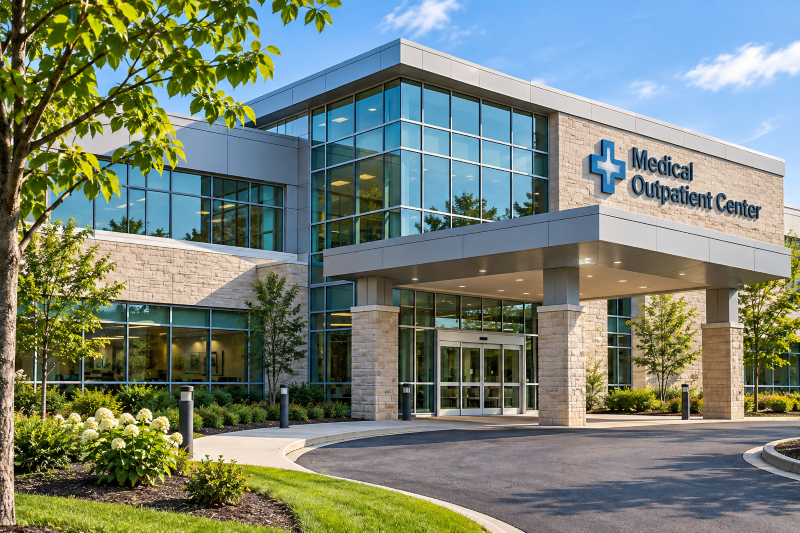
The U.S. medical outpatient building (MOB) sector continued to attract investment capital during the third quarter of 2026, even as new construction slowed dramatically. According to a November 5 report from CBRE, quarterly MOB investment sales reached $3.1 billion, a 13.4% increase from a year earlier, while construction completions declined to just 264,000 square feet. The contrasting trends reflect improving investor confidence in healthcare real estate alongside persistent development challenges caused by elevated construction costs.
Investment activity has strengthened considerably over the past year. Transaction volume for the four quarters ending September 2026 totaled $14.8 billion, representing a 58% year-over-year increase.
The latest quarterly sales figure also exceeded the sector’s $2.8 billion average quarterly investment volume recorded between 2021 and 2026.
CBRE attributed the renewed investment interest partly to stabilizing interest rates and continued demand for healthcare services, which have helped make medical outpatient properties increasingly attractive to buyers.
Construction Slowdown Creates Opportunities for Existing Properties
While investment activity has accelerated, development remains constrained.
Only 264,000 square feet of medical outpatient space was completed nationwide during the third quarter, compared with more than 1 million square feet during the corresponding period in 2025.
For perspective, quarterly MOB completions have historically averaged between 2 million and 3 million square feet over the past decade.
Rising development expenses have made it increasingly difficult to justify new projects, particularly where achievable rents cannot support construction and financing costs.
For owners of existing medical properties, the limited delivery of competing space could help preserve occupancy and strengthen negotiating positions as healthcare providers seek suitable locations.
Leasing Fundamentals Continue to Improve
Healthcare tenant demand remained positive during the quarter, with net absorption reaching 931,000 square feet, a 20% increase from the previous year.
The national MOB vacancy rate declined to 9.7%, a 17-basis-point improvement year over year and the third consecutive quarter of declining vacancy.
Average asking rents increased 1.3% to $25.52 per square foot.
Although rent growth remains moderate, the combination of positive absorption and limited construction is creating a more favorable environment for established medical outpatient properties.
Property Values and Cap Rates Show Greater Stability
Improving investment demand has also contributed to firmer transaction pricing.
The average MOB sale price increased 5.9% year over year to $315 per square foot during the third quarter.
Meanwhile, the average capitalization rate remained relatively stable at approximately 7.15%, increasing just 12 basis points from a year earlier.
These figures suggest that the gap between buyer and seller pricing expectations may be narrowing as investors gain greater confidence in property valuations.
Outlook: Stronger Investment Demand Meets Limited Supply
The medical outpatient sector enters the final months of 2026 with an unusual combination of strengthening capital markets activity and sharply reduced new development.
For investors, established medical properties with dependable tenants and favorable locations may become increasingly desirable as opportunities to acquire newly developed facilities remain limited.
For developers, however, the construction slowdown highlights the continuing challenge of delivering financially feasible healthcare facilities in a high-cost environment.
If healthcare tenant demand remains positive while new deliveries stay subdued, existing properties could benefit from further occupancy gains and gradual rental growth.
Source: CBRE
For more information contact us:
954.346.8200 x 201